Best Heirloom Garlic for Gourmet Cooking
Table of Contents
Hardneck vs Softneck Garlic Flavor: Which Suits Your Kitchen
Top Heirloom Garlic Varieties for Gourmet Cooking
Spanish Roja: The Bold, Spicy Foundation
Romanian Red: Porcelain Heat and Long Shelf Life
Russian Red: Purple Stripe Complexity
Inchelium Red: Mild, Versatile Softneck
Russian Giant: Storage Champion
Best Garlic Varieties for Roasting
How to Store Heirloom Garlic for Maximum Freshness
Culinary Pairing Guide by Dish Type
Why Heirloom Garlic Outperforms Supermarket Varieties
Conclusion
Frequently Asked Questions
Last Updated: September 23, 2026
Hardneck vs Softneck Garlic Flavor: Which Suits Your Kitchen
The choice between hardneck and softneck garlic fundamentally shapes what you're cooking with. Hardneck varieties produce a central woody stem and tend toward bold, pungent, spicy heat. Softneck varieties have no woody core, braid easily, and deliver milder, more subtle flavors suited to raw consumption. If you want strong flavor that stands up to roasting and sauces, hardneck is your move. If you're after versatility and long storage life, softneck handles both.
The difference matters more than most cooks realize. Hardneck garlic contains higher sulfur content, which creates that sharp bite and complex aromatic profile. Softneck garlic's gentler nature makes it the kitchen workhorse for dishes where garlic should enhance rather than dominate.
The practical implication: hardneck varieties like Spanish Roja and Romanian Red excel in bold preparations, roasted whole, minced into aggressive sauces, or used raw in vinaigrettes where you want the garlic to announce itself. Softneck types like Inchelium Red disappear into creamy soups, mild dressings, and dishes where you need garlic's presence without its aggression.
Storage also diverges. Hardneck garlic typically stores 4-6 months. Softneck can hold for 8-10 months, making it the choice for home cooks who want pantry reliability through winter.
Top Heirloom Garlic Varieties for Gourmet Cooking

The best heirloom garlic for gourmet cooking breaks into clear categories based on flavor intensity, storage capacity, and culinary application. Each variety below represents a distinct flavor profile and use case. These aren't interchangeable, choosing the right one transforms your dish.
Spanish Roja: The Bold, Spicy Foundation
Spanish Roja is the hardneck choice when you want uncompromising garlic flavor. This variety delivers strong, pungent heat with complex spicy notes that linger. The cloves are medium-sized and moderately easy to peel, making it practical for daily cooking despite its intensity.
What makes Spanish Roja stand out: it's the culinary benchmark for traditional Spanish and Mediterranean cooking. Use it when you want garlic to be a primary flavor, not a background note. Roasted whole, the heat mellows into a creamy, almost sweet undertone. Raw in vinaigrettes or pestos, it commands attention.
The one limitation is climate sensitivity. Spanish Roja thrives in moderate climates but struggles in extreme heat or cold. It's worth the effort if you're in a suitable zone, the flavor payoff is substantial.
Pros:
Exceptional culinary depth and complexity
Ideal for roasting and bold sauces
Deep, memorable spicy profile
Cons:
Requires specific growing conditions
Shorter storage life than softneck varieties
Romanian Red: Porcelain Heat and Long Shelf Life
Romanian Red is a porcelain hardneck variety that combines two rare qualities: intense spicy heat and exceptional storage life for a hardneck. The cloves are large and remarkably easy to peel, with papery white skin marked by deep red streaks.
This is the variety to choose when you want aggressive garlic flavor and need it to last. Romanian Red's high sulfur content creates sharp, lingering heat perfect for sauces, stir-fries, and dishes where garlic should cut through richness. The flavor is straightforward, spicy, aromatic, clean, without the complexity of Spanish Roja, but with better staying power in the pantry.
Romanian Red stores 6-8 months, longer than most hardneck varieties, making it practical for home cooks who don't want to replant every season.
Pros:
Very long shelf life for a hardneck
Large, easy-to-peel cloves
Strong, memorable spicy flavor
Cons:
Can overwhelm mild-palate dishes
Less nuanced than purple stripe varieties
Russian Red: Purple Stripe Complexity
Russian Red is a purple stripe hardneck that delivers what most cooks are actually looking for: complexity without aggression. The skin shows distinctive purple striping over white, and the flavor profile is rich and savory with moderate spiciness and underlying umami notes.
This variety bridges the gap between bold hardneck heat and subtle softneck mildness. Use Russian Red when you want garlic's presence felt but not shouted. It pairs beautifully with roasted vegetables, creamy soups, and dishes where garlic should add depth rather than dominance. The cloves are medium-sized and the plant produces fewer but larger cloves per bulb, making peeling less tedious than smaller-cloved varieties.
Russian Red is harder to source than common supermarket garlic, which is precisely why it matters for gourmet cooking. You're accessing flavor profiles unavailable in standard grocery channels.
Pros:
Visually striking for plating
Deep, savory notes with moderate heat
Stands up well to other strong ingredients
Cons:
Harder to source than commodity varieties
Shorter storage life than softneck options
Inchelium Red: Mild, Versatile Softneck
Inchelium Red is a softneck Artichoke variety that produces large bulbs with multiple inner cloves and a notably mild, savory flavor. This is the garlic for raw applications, sliced thin in salads, minced into aioli, or used in dishes where you want garlic's presence without its bite.
The practical advantage is size and ease of processing. Inchelium Red cloves are large and straightforward to peel. The bulbs are substantial, so you get more usable garlic per plant. Storage life exceeds 8 months, making it reliable for pantry planning.
Inchelium Red won't deliver the gourmet intensity of hardneck varieties, but it excels in applications where subtlety matters. Use it in raw preparations, mild dressings, and dishes where garlic should enhance rather than announce itself.
Pros:
Excellent storage capabilities
Large, easy-to-process bulbs
Perfect for raw culinary applications
Cons:
Less pungent than hardneck varieties
Milder flavor profile limits use in aggressive dishes
Russian Giant: Storage Champion
Russian Giant is a hardneck variety bred for storage capacity and bulb size rather than flavor intensity. The cloves are substantial and easy to peel, and the bulbs are among the largest of any garlic variety. Storage life reaches 8-10 months, rivaling some softneck varieties.
The flavor is balanced, moderate spiciness with clean, straightforward garlic notes.
Pros:
Exceptional storage life
Large bulbs with substantial cloves
Reliable culinary performance
Cons:
Less intense flavor than smaller-cloved hardneck varieties
Trades complexity for longevity
Best Garlic Varieties for Roasting
Roasting transforms garlic's character entirely. Heat mellows pungency and develops sweetness. The best garlic for roasting has strong initial flavor that survives heat treatment and emerges as something more nuanced.
Sow Arizona
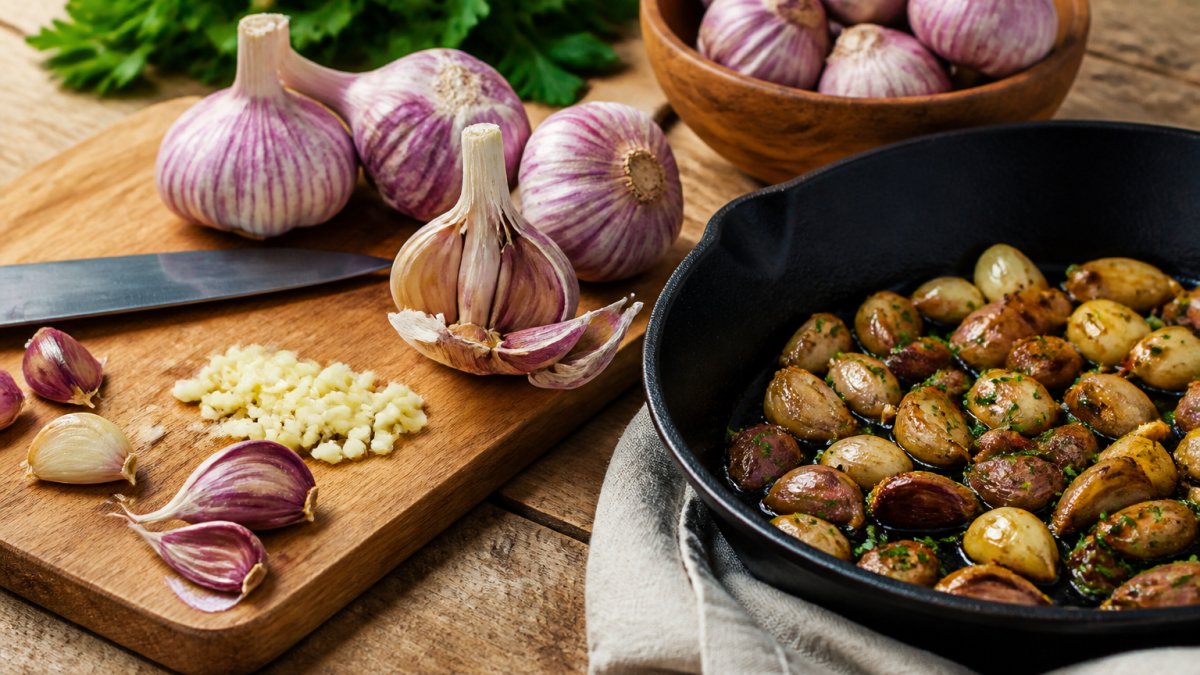
Pro Tip Roast whole unpeeled bulbs at 400°F for 35-40 minutes. The skin protects the cloves and makes them easier to squeeze out after cooking. Hardneck varieties develop better caramelization than softneck types due to higher sulfur content.
How to Store Heirloom Garlic for Maximum Freshness
Storage life varies dramatically by variety, and proper technique extends it further. Hardneck varieties typically hold 4-8 months. Softneck varieties reach 8-10 months. Temperature and humidity matter more than most cooks realize.
Key Takeaway Softneck varieties like Inchelium Red store 8-10 months. Hardneck varieties like Spanish Roja hold 4-6 months. Cool, dry, well-ventilated storage extends life for both. Check monthly and remove any compromised bulbs immediately.
Culinary Pairing Guide by Dish Type
The best heirloom garlic for gourmet cooking changes based on what you're making. Matching variety to dish is what separates adequate cooking from gourmet results.
Why Heirloom Garlic Outperforms Supermarket Varieties
Supermarket garlic is bred for yield, appearance, and shelf stability, not flavor. Most commercial garlic is bleached white, treated with growth inhibitors to prevent sprouting, and harvested before full maturity to extend storage artificially.
Watch Out Supermarket garlic treated with growth inhibitors may not sprout reliably if you want to save cloves for replanting. Heirloom varieties from specialty growers like Central Or Garlic Co maintain genetic integrity and viability for seed-saving.
Conclusion
The best heirloom garlic for gourmet cooking depends on your specific needs. Spanish Roja and Romanian Red deliver the bold, pungent intensity that defines serious garlic cooking. Russian Red bridges complexity and subtlety. Inchelium Red and Russian Giant prioritize storage and versatility.
Variety | Type | Best Use | Storage Life | Flavor Profile |
Spanish Roja | Hardneck | Roasting, bold sauces | 4-6 months | Strong, pungent, spicy |
Romanian Red | Hardneck | Stir-fries, aggressive dishes | 6-8 months | Intense heat, straightforward |
Russian Red | Hardneck | Creamy soups, roasting | 5-7 months | Complex, savory, umami |
Inchelium Red | Softneck | Raw applications, mild dishes | 8-10 months | Mild, savory, subtle |
Russian Giant | Hardneck | Long-term storage, versatility | 8-10 months | Balanced, clean, reliable |
Frequently Asked Questions
What is the difference between hardneck and softneck heirloom garlic?
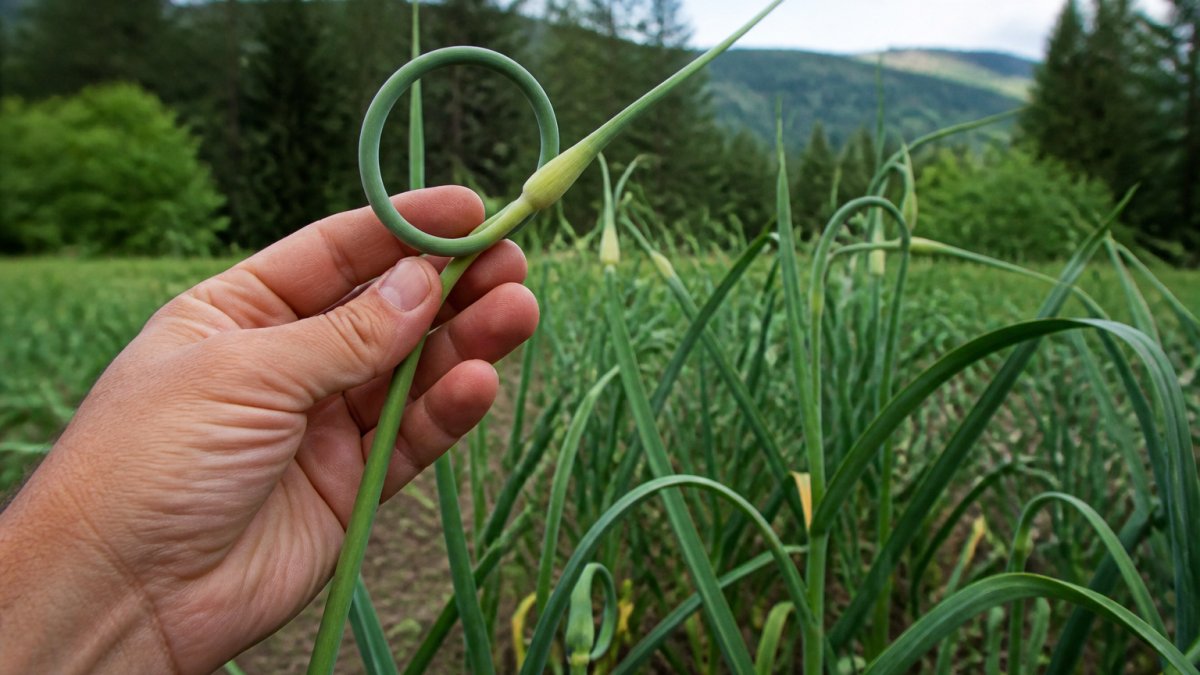
Hardneck varieties produce a flowering scape and have fewer, larger cloves with intense, complex flavors ideal for sautéing and roasting. Softneck types lack a scape, have more smaller cloves, and deliver milder, sweeter profiles suited to raw applications and long storage. Hardneck garlic typically offers bolder pungency and umami depth, while softneck prioritizes shelf life and ease of peeling. Your choice depends on whether you value flavor intensity or culinary versatility.
Which heirloom garlic varieties are best for roasting?
Spanish Roja, Romanian Red, and Russian Red hardneck varieties excel when roasted because their robust flavor and high sulfur content caramelize beautifully, developing sweet, savory notes. These varieties transform from pungent to mellow and creamy when roasted whole, their clove skins becoming papery and easy to squeeze out. Roasting mellows their intensity while preserving the complex, aromatic qualities that make heirloom garlic superior to supermarket alternatives.
How does heirloom garlic differ in taste from standard supermarket garlic?
Heirloom varieties deliver complex, multi-layered flavor profiles with pronounced umami, spice, and aromatic depth that standard supermarket garlic lacks. Supermarket garlic is typically bred for yield and shelf life rather than flavor, resulting in one-dimensional heat or blandness. Heirloom cultivars like Spanish Roja and Russian Red offer sensory tasting notes ranging from peppery bite to subtle sweetness, making them essential for gourmet cooking where garlic is a featured ingredient rather than a supporting element.
What should I look for when choosing heirloom garlic for specific dishes?
Match the garlic's heat level and flavor profile to your dish: use bold, pungent hardneck varieties like Spanish Roja for sauces and stir-fries where garlic is prominent; choose milder Inchelium Red for raw applications like vinaigrettes or garlic bread; select Romanian Red for roasting or long-cooking braises where its spice mellows into caramel sweetness. Consider clove size too, larger cloves from Russian Giant work well for whole-clove dishes, while smaller cloves from Spanish Roja suit minced applications where surface area matters.
Get Started Today

Comments