How to Cook With Purple Stripe Garlic?
Last Updated: October 25, 2026
Quick Summary
How to cook with purple stripe garlic depends on your preparation method: raw garlic delivers a sharp, peppery bite ideal for vinaigrettes and salsas, while roasted garlic becomes creamy and sweet, perfect for sauces and spreads. Sautéing minced garlic for 30 seconds to one minute builds a flavor foundation for most dishes.
Raw purple stripe garlic has a sharp, hot bite with peppery notes; cooked garlic transforms into something creamy, mild, and buttery
One medium clove of purple stripe garlic equals roughly one teaspoon of minced garlic
Whole bulbs roast for 35-45 minutes at 400 degrees Fahrenheit; individual cloves roast faster in 20-25 minutes
Sauté minced garlic for 30 seconds to one minute over medium heat to build a flavor base without burning
Fresh whole bulbs keep 4-6 weeks in a cool, dark place; peeled cloves last one week refrigerated in an airtight container
Table of Contents
Understanding Purple Stripe Garlic Flavor and Heat
Raw versus Cooked Flavor Differences
Preparing Purple Stripe Garlic for Cooking
Peeling, Mincing, and Crushing Techniques
Amounts and Substitution Ratios
How to Roast Purple Stripe Garlic
Whole Bulbs and Individual Cloves
Timing and Heat Control
Using Purple Stripe Garlic in Everyday Cooking
Sautéing and Building Flavor Bases
Stir-Fries, Sauces, and Braised Dishes
Purple Stripe Garlic Recipes and Pairings
Garlic Bread and Pizza Applications
Pairing With Vegetables and Proteins
Storage and Food Safety for Fresh Garlic
Growing and Sourcing Your Own Purple Stripe Garlic
Frequently Asked Questions
Understanding Purple Stripe Garlic Flavor and Heat
Learning how to cook with purple stripe garlic means understanding its complex flavor profile, which shifts dramatically depending on how you prepare it. Raw, this hardneck variety has a sharp, hot bite with peppery notes.
The heat level when raw can catch people off guard. Bite into a raw clove and you'll feel the burn immediately. This intensity comes from the garlic's high oil content, which also means it carries flavor deeper into dishes.
Understanding this duality helps you use purple stripe garlic strategically. Raw garlic in a vinaigrette or salsa brings punch. Roasted garlic in a sauce brings depth and smoothness. Both have their place.
Raw versus Cooked Flavor Differences
Raw purple stripe garlic is assertive. The flavor hits fast and lingers. You taste the individual clove's character clearly.
Cooked purple stripe garlic softens into the dish. The creamy texture becomes almost spreadable when fully roasted. The flavor becomes sweet and mellow, blending seamlessly with other ingredients.
Here's the practical difference: use raw purple stripe garlic when you want garlic to announce itself.
Temperature matters too. A quick sauté at high heat (just 30 seconds) keeps some of that raw bite while mellowing the sharp edge. Medium heat for 2-3 minutes softens it further.
Preparing Purple Stripe Garlic for Cooking
Preparation technique changes how your purple stripe garlic performs. A rough chop behaves differently than a fine mince. Crushed garlic releases more oil than sliced. Each method serves a different purpose.
Start by choosing your garlic. Fresh purple stripe bulbs have tight, papery skin and feel heavy for their size. If a bulb feels light or soft, it's past its prime. Store whole bulbs in a cool, dark place. They'll keep for weeks this way.
Peeling, Mincing, and Crushing Techniques
Peeling purple stripe garlic is straightforward. Separate a clove from the bulb. Place the flat side of your knife over the clove and press down firmly with the heel of your hand.
For mincing, use a sharp knife and a cutting board. Slice the peeled clove thin first, then turn the knife and rock it back and forth over the pile.
Crushing is different. Use the flat of your knife blade and press hard. You're breaking the clove into irregular pieces and bruising it.
Grating works too. Use a microplane or box grater. This creates a fine texture that almost dissolves into dishes.
Amounts and Substitution Ratios
One medium clove of purple stripe garlic equals roughly one teaspoon of minced garlic. If a recipe calls for a tablespoon of minced garlic, use three medium cloves. This matters because purple stripe garlic is pungent.
When substituting between forms, remember that intensity changes. One clove of raw garlic is stronger than one clove roasted. One clove minced is more potent than one clove sliced.
For roasted whole bulbs, plan on half a bulb per person as a side dish.
Purple stripe garlic measurements and substitutions help you use the right amount in any recipe.
Measurement | Equivalent | Notes |
One medium clove | One teaspoon minced garlic | Standard conversion |
One tablespoon minced garlic | Three medium cloves | For recipe scaling |
One clove fresh garlic | One-eighth teaspoon garlic powder | When substituting dried |
One whole roasted bulb | Seasons sauce for four servings | About 10 cloves per bulb |
Half a bulb roasted | One person as side dish | For serving whole roasted bulbs |
How to Roast Purple Stripe Garlic
Roasting is the easiest way to transform purple stripe garlic from sharp to sweet. For an advanced preparation technique, discover how to make black garlic at home as another way to develop complex, umami-rich flavors. The process is simple: heat, time, and oil. That's it.

Whole Bulbs and Individual Cloves
Roasting whole bulbs takes longer but creates a dramatic presentation. Slice the top quarter-inch off the bulb to expose the cloves inside. Place it cut-side up in a baking dish. Drizzle with olive oil, salt, and pepper.
Roasting individual cloves is faster and more practical for cooking. Peel the cloves but leave them whole. Toss them with olive oil, salt, and pepper. Spread them in a single layer on a baking sheet.
Both methods work. Whole bulbs look impressive and are great for entertaining. Individual cloves are better when you need roasted garlic for a sauce or dish.
Timing and Heat Control
Whole bulbs need 35-45 minutes at 400 degrees Fahrenheit. The cloves inside should be soft enough to squeeze out with a fork. They'll be golden and creamy.
Individual cloves roast faster, typically 20-25 minutes at the same temperature. They'll turn golden brown and soft. The exact time depends on clove size.
You want them soft and caramelized, not burnt. If the tops start turning dark brown before the insides soften, lower the heat to 375 degrees and give them more time.
Once roasted, squeeze the cloves out of their skin or pop them out of their papery shell.
Using Purple Stripe Garlic in Everyday Cooking
Purple stripe garlic belongs in everyday dishes. It's not fancy. It's practical. It makes food taste better.
The key to knowing how to cook with purple stripe garlic is matching the preparation to the dish. Sautéed garlic builds a flavor base. Roasted garlic enriches sauces. Raw garlic cuts through richness. Crushed garlic in oil creates a condiment you can use all week.
Sautéing and Building Flavor Bases
Sautéing garlic is how most cooking starts. Heat oil or butter in a pan over medium heat. Add minced purple stripe garlic.
This is your flavor foundation. Everything else builds on it. Add onions and carrots next for a classic mirepoix. Add tomatoes for a sauce base.
The timing matters. Too short and the garlic stays raw and sharp. Too long and it burns, turning bitter. That 30-second to one-minute window is where the magic happens.
For dishes with longer cooking times, like stews or braises, add the garlic early. It'll continue cooking gently with everything else, becoming part of the background flavor.
Stir-Fries, Sauces, and Braised Dishes
Stir-fries need garlic added late. Have everything else ready and cooking. Add minced or sliced purple stripe garlic in the last minute. It stays slightly raw, providing contrast to the cooked vegetables and protein. This is where raw garlic's heat shines.
Sauces need garlic added early and cooked long. Sauté minced garlic first, then add your tomatoes, stock, or cream. Let it simmer for at least 15 minutes. The garlic dissolves into the sauce, creating depth without identifiable garlic pieces.
Braised dishes benefit from crushed garlic added at the beginning. The long, slow cooking mellows the garlic completely. It becomes part of the braising liquid, flavoring everything evenly.
Purple Stripe Garlic Recipes and Pairings
Purple stripe garlic pairs well with almost everything, but certain combinations shine. Explore the best heirloom garlic varieties for gourmet cooking to see how purple stripe compares to other options for culinary applications.
Garlic Bread and Pizza Applications
Garlic bread is the simplest use. Slice a baguette lengthwise. Mix softened butter with crushed raw purple stripe garlic, fresh parsley, and salt. Spread on the bread. Wrap in foil and bake at 375 degrees for 10 minutes. The garlic stays slightly raw, giving that sharp bite you expect from garlic bread.
For pizza, use roasted garlic. Squeeze roasted cloves onto the dough before adding sauce and toppings. The roasted garlic stays distinct but doesn't overpower. It adds sweetness and depth that raw garlic can't provide on a pizza.
Pairing With Vegetables and Proteins
Purple stripe garlic transforms roasted vegetables. Toss root vegetables, carrots, potatoes, beets, with olive oil, minced raw garlic, salt, and pepper. Roast at 425 degrees for 25-30 minutes.
With proteins, purple stripe garlic works in marinades and sauces. For chicken, make a simple marinade: olive oil, lemon juice, minced raw garlic, herbs, salt, and pepper.
For fish, use a lighter touch. A single clove of minced purple stripe garlic mixed with butter and lemon juice is enough. The garlic shouldn't overpower delicate fish.
Tofu and tempeh benefit from bold garlic treatment. Marinate cubes in a mixture of soy sauce, sesame oil, minced raw garlic, and ginger.
Storage and Food Safety for Fresh Garlic
Fresh purple stripe garlic keeps well when stored properly. Keep whole bulbs in a cool, dark place with good air circulation. A pantry or cupboard works perfectly.
Once you've separated cloves from the bulb, use them within a few days for best flavor. Learn how to cure heirloom garlic for long-term storage to preserve your harvest beyond a few weeks.
Roasted garlic stores differently. Keep it in an airtight container in the refrigerator for up to a week.
Minced raw garlic in a jar with oil should be refrigerated and used within a few days. When in doubt, throw it out. Fresh garlic should smell like garlic, not sour or off.
Growing and Sourcing Your Own Purple Stripe Garlic
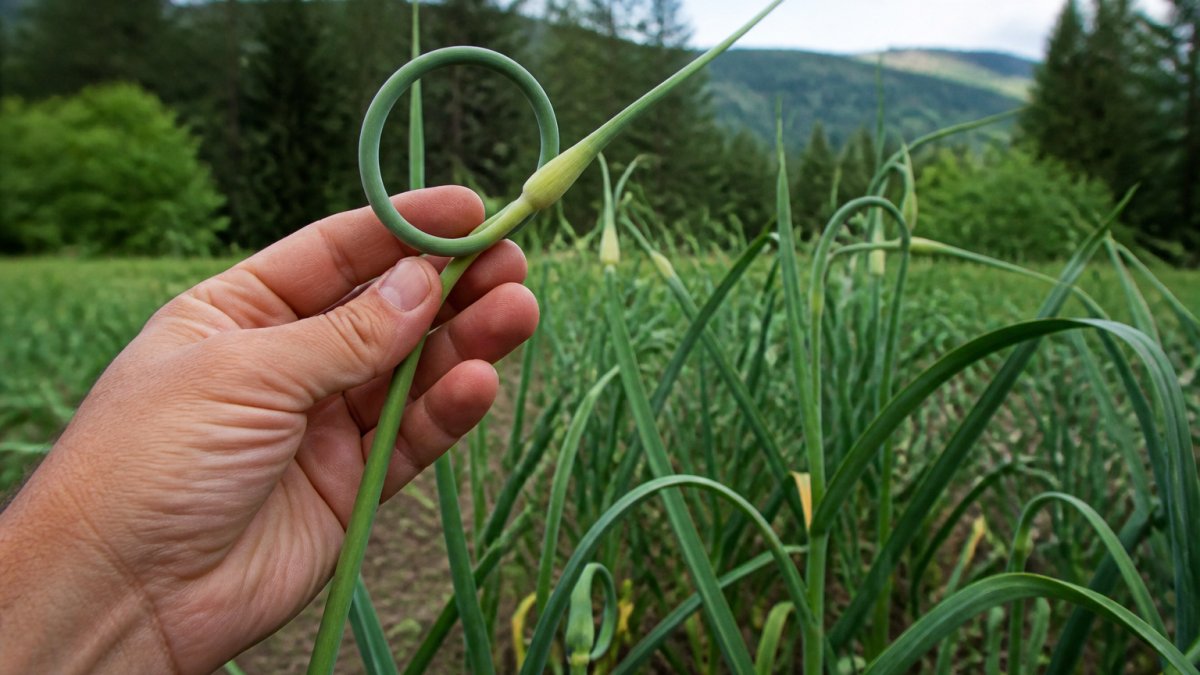
Growing purple stripe garlic connects you to your food in a way buying from a store never can. The variety thrives in cool climates with well-drained soil.
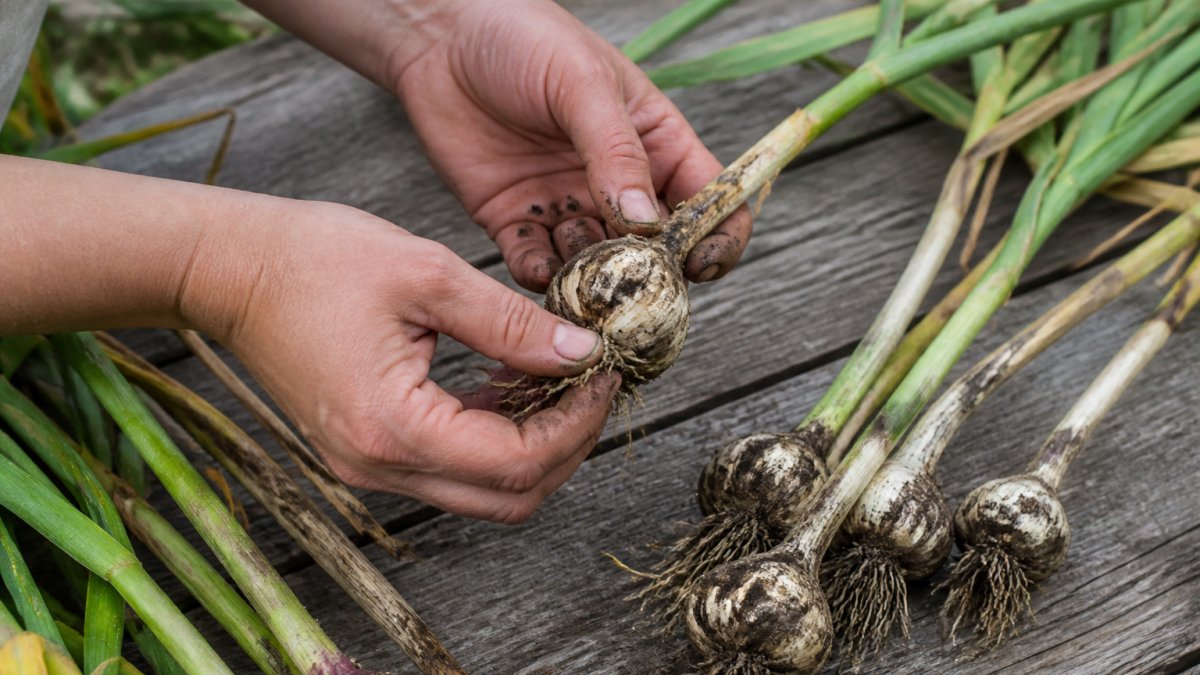
If you're not growing your own yet, sourcing matters. Look for bulbs with tight, papery skin and no soft spots. Plant cloves in fertile, well-drained soil, provide full sun and steady moisture, and harvest when the lower leaves begin to brown.
At Central Or Garlic Co, we've spent years preserving rare heirloom varieties specifically for home cooks and gardeners who care about flavor and quality. Our hand-selected seeds produce strong plants with complex heat profiles and high oil content.
Purple stripe garlic rewards attention. It's pungent, complex, and versatile. Whether you're roasting whole bulbs for a dinner party or mincing cloves for a weeknight sauce, understanding how this variety behaves transforms your cooking.
Frequently Asked Questions
What does Purple Stripe garlic taste like when cooked?
Purple Stripe garlic develops a creamy, mild, and slightly sweet flavor when cooked, especially when roasted. The raw garlic is hot and pungent with complex heat, but heat mellows it significantly. Roasting transforms it into a smooth, buttery spread that works beautifully in sauces, spreads, and vegetable dishes. The cooking method and duration determine the final flavor intensity.
How much Purple Stripe garlic should you use as a substitute for regular garlic?
Use Purple Stripe garlic in a 1:1 ratio by clove count when replacing standard white garlic. Because Purple Stripe cloves are often larger and have higher oil content, you may find you need slightly less by volume. Start with the same amount your recipe calls for, then adjust based on your taste preference. Fresh bulbs offer more intense flavor than dried seasoning, so reduce quantities accordingly.
Can you eat Purple Stripe garlic raw?
Yes, you can eat Purple Stripe garlic raw, but it will be hot and pungent. Raw cloves work well in vinaigrettes, dressings, and marinades where you want bold garlic flavor. Mince or grate raw cloves finely to distribute the heat evenly. If you prefer milder flavor, cook it first, roasting or sautéing transforms the raw heat into a creamy, sweet profile that's more approachable in most dishes.
How long does it take to roast a whole Purple Stripe garlic bulb?
Roast whole Purple Stripe garlic bulbs at 400°F for 35 to 45 minutes, depending on bulb size. The garlic is done when the cloves feel soft when pressed and the skin turns golden brown. Smaller cloves may finish in 30 minutes, while larger bulbs need closer to 50 minutes. Once roasted, squeeze the soft cloves directly onto bread, into sauces, or mix with olive oil for a creamy base.
Get Started Today
Add centralgarlicandheirloom.com as a preferred source on Google →

Comments