Which Heirloom Garlic Grows Best in Cold Climates?
Last Updated: October 25, 2026
Quick Summary
Porcelain heirloom garlic is the most reliable choice for cold climates, with thick bulb wrappers and excellent winter hardiness in zones 3-4. Marbled Purple Stripe is a strong second for hard-freeze gardens, while Rocambole trades some hardiness for rich flavor. Plant hardneck types four to six weeks before the ground freezes and mulch four to six inches deep.
Hardneck garlic outperforms softneck in cold climates thanks to tough bulb wrappers and clove structure.
Porcelain types carry four to six large cloves per bulb and store longer than most hardneck families.
Plant cloves two inches deep in heavy soil, up to three inches in sandy soil, spaced four to six inches apart.
Heaving from freeze-thaw cycles kills garlic; deep planting plus thick mulch holds cloves in place.
Rocambole matures earliest but stores shortest, so eat it first and replant cloves each fall.
Table of Contents
Why Heirloom Garlic Varieties Beat Generic Seed Stock in Cold Climates
Hardneck vs Softneck Garlic: Which Survives a Cold Winter?
Cold-Hardy Garlic Varieties Worth Planting This Fall
Matching Varieties to USDA Zones and Winter Severity
Porcelain Garlic: Big Cloves, Big Flavor
Rocambole Garlic: The Brownish-Red Heirloom With a Devoted Following
Purple Stripe and Marbled Purple Stripe Garlic
The Best Hardneck Garlic for Cold Climates: A Side-by-Side Comparison
When to Plant Garlic in Cold Climates (and How to Protect It)
Planting Depth, Spacing, and Drainage
Mulch and Freeze-Thaw Protection
Troubleshooting Cold-Climate Garlic Failures
Choosing the Right Heirloom Garlic for Your Kitchen and Garden
Ordering Cold-Hardy Seed Cloves From Central Or Garlic Co
Frequently Asked Questions
Why Heirloom Garlic Varieties Beat Generic Seed Stock in Cold Climates
Cold winters punish weak garlic. Generic seed stock sold in bulk often comes from milder growing regions, and those plants struggle when the ground freezes hard and stays frozen for months.
At Central Or Garlic Co, we preserve more than fifty rare cultivars, and we have watched which types shrug off a hard freeze and which ones sulk.
Below, we show you exactly how to pick a variety that survives your winter, when to plant it, and how to protect it through the coldest months.
Hardneck vs Softneck Garlic: Which Survives a Cold Winter?
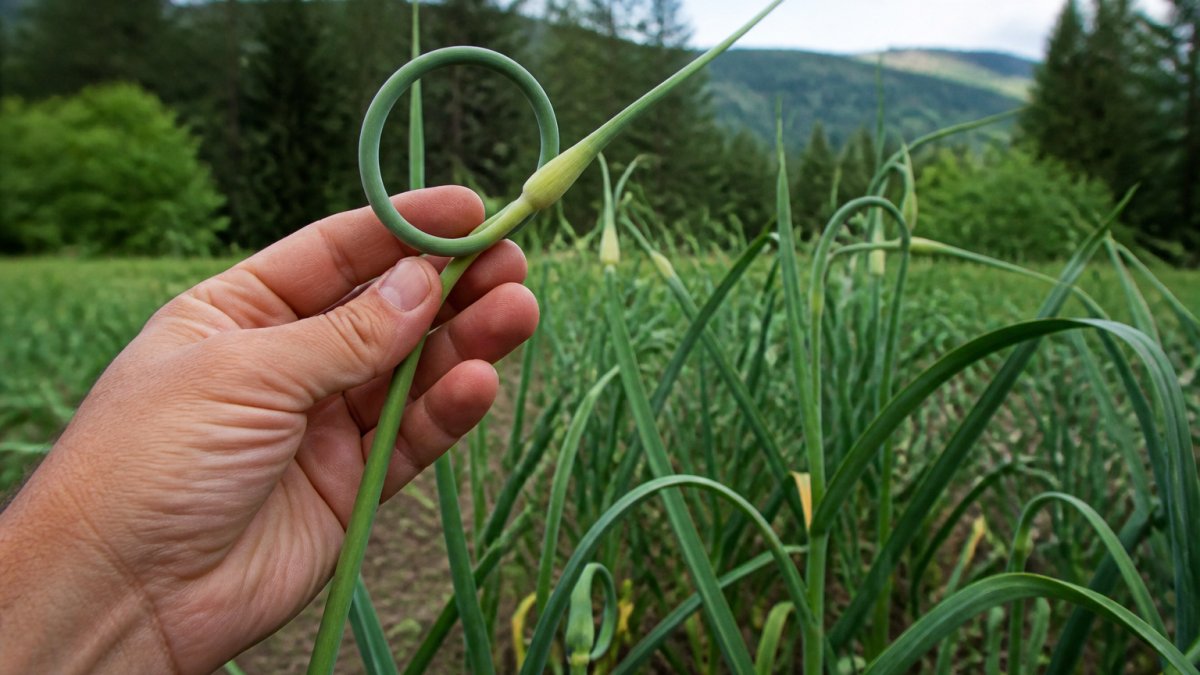
Hardneck garlic wins in cold climates, and it is not close. Hardneck varieties form a stiff central stalk, produce a scape in early summer, and wrap their cloves in layers tough enough to resist freezing and thawing.
The tradeoff is storage. Softneck bulbs can hold for many months, while hardnecks generally keep well into winter but not as long.
Cold tolerance is the deciding factor. If your ground freezes solid, plant hardneck. If your winters are gentle, softneck becomes a reasonable option.
Cold-Hardy Garlic Varieties Worth Planting This Fall
Cold-hardy garlic varieties fall into a few hardneck families, and each brings a distinct flavor, clove count, and growing habit.

Type | Typical Cloves per Bulb | Relative Maturity | Winter Hardiness | Storage Life | Scape Production | Flavor |
Porcelain | 4-6 large | Midseason | Excellent | Long (into winter and beyond) | Yes, sturdy scapes | Pungent, hot; mellows when roasted |
Rocambole | 8-12 | Early | Good | Short (eat first) | Yes, often curled | Rich, complex, prized by cooks |
Purple Stripe | 8-12 | Midseason | Very good | Medium | Yes | Layered, rich, excellent roasted |
Marbled Purple Stripe | 6-10 | Midseason | Very good | Medium | Yes | Bold, deep |
Asiatic | 8-12 | Early to midseason | Good | Medium | Yes, often early | Bold, hot |
Clove counts and maturity windows vary by cultivar and growing conditions, so treat the ranges as planning guides rather than fixed specs.
Matching Varieties to USDA Zones and Winter Severity
Hardneck garlic generally performs across USDA zones 3-7, and the family you choose should track your coldest expected winter temperatures rather than your summer heat. A common pattern in northern gardens:
Zones 3-4 (winter lows roughly -30°F to -40°F): Lean on Porcelain and Marbled Purple Stripe, which carry the thickest bulb wrappers and the most consistent winter survival. Rocambole can succeed here with deep mulch and well-drained soil, but expect more winter losses in an open, wind-scoured bed.
Zones 5-6 (winter lows roughly -10°F to -20°F): All five families are viable. Porcelain remains the reliability pick; Rocambole and Purple Stripe reward you with flavor and earlier harvests.
Zone 7 and mild-winter edges: Hardnecks still grow, but choose early-maturing Rocambole and Asiatic types and plant later so cloves do not sprout before real cold arrives. Softneck becomes a reasonable option only where winters stay genuinely mild.
Local conditions override zone maps. A raised bed with sharp drainage in zone 4 can outperform a low, clay-heavy bed in zone 6, because waterlogged soil kills more garlic than cold air does. Use your zone as a starting point, then adjust for drainage, snow cover, and wind exposure.
Porcelain Garlic: Big Cloves, Big Flavor
Porcelain garlic produces large bulbs with thick, tight wrappers and few but hefty cloves, usually four to six per bulb. That thick skin is a natural defense against cold, and Porcelain types are among the most reliable performers in hard-freeze regions. Flavor runs pungent and hot, with a strong bite that mellows when roasted. Music and Georgian Fire are well-known Porcelain cultivars, and both handle cold winters well. Porcelain bulbs also store longer than most other hardneck families, which makes them the workhorse choice for gardeners who want garlic into late winter.
Rocambole Garlic: The Brownish-Red Heirloom With a Devoted Following
Rocambole garlic is the connoisseur's hardneck, prized for reddish-brown wrappers and a rich, complex flavor that many cooks consider the best of any garlic. It is also one of the earliest to mature, often beating Porcelain to harvest by a week or more. German Red and Spanish Roja are classic Rocamboles, and you can shop Spanish Roja garlic to start your own patch.
Purple Stripe and Marbled Purple Stripe Garlic
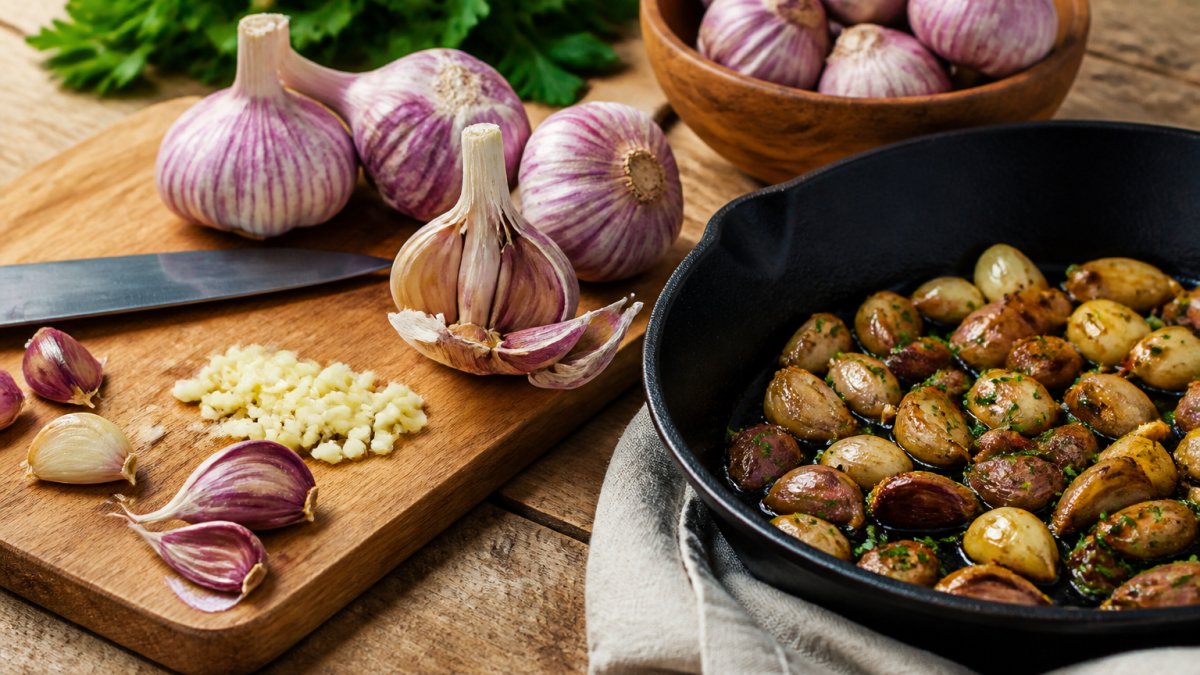
Purple Stripe garlic wears striking purple markings on its wrappers and delivers a rich, layered flavor that holds up in the kitchen. Marbled Purple Stripe types are close cousins with marbled skins and strong cold tolerance. Both sit in the middle of the storage spectrum, keep well into winter, and make excellent roasting garlic. Our Purple Stripe garlic page shows the bulbs up close.
Pro Tip If you are planting your first cold-climate bed, start with a Porcelain for survival and a Purple Stripe for roasting, then add Rocambole once you know how your drainage and mulch perform through a full winter.
For a broader look at options beyond this short list, our heirloom garlic varieties guide covers the full range we grow.
The Best Hardneck Garlic for Cold Climates: A Side-by-Side Comparison
The best hardneck garlic for cold climates balances winter hardiness, flavor, and storage life. No single variety wins on every measure, so match the type to how you cook and how long you need bulbs to keep.
Variety Type | Winter Hardiness | Flavor Profile | Storage Life | Best For |
Porcelain | Excellent | Pungent, hot | Long | Reliable harvests, big cloves |
Rocambole | Good | Rich, complex | Short | Fresh eating, flavor lovers |
Purple Stripe | Very good | Layered, rich | Medium | Roasting, all-around use |
Marbled Purple Stripe | Very good | Bold, deep | Medium | Cold gardens, bold flavor |
Asiatic | Good | Bold, hot | Medium | Heat-forward cooking |
Asiatic garlic rounds out the list with a bold, hot bite. It grows well in cooler regions, though it is less common than the big three.
When to Plant Garlic in Cold Climates (and How to Protect It)
Plant garlic in cold climates roughly four to six weeks before the ground freezes hard, which usually lands in early to mid-fall. The goal is root growth without top growth: cloves should establish roots, then go dormant before deep cold arrives. Planting too early invites tender shoots that frost kills. Planting too late leaves roots undeveloped and bulbs small the following summer. A useful field test is soil temperature: aim to get cloves in the ground when the soil is still workable and cooling, and plan to finish before the first hard freeze is expected.
Planting Depth, Spacing, and Drainage
Set cloves pointed end up, about two inches deep in heavier soils and up to three inches in loose, sandy soils, spaced roughly four to six inches apart in rows twelve to eighteen inches apart. Deeper planting in cold regions gives cloves more insulation and reduces heaving. The single most overlooked factor is drainage: garlic left in waterlogged soil through winter rots regardless of variety.
Watch Out Planting cloves upside down or too shallow is the most common beginner mistake, and both lead to weak, small bulbs the following summer. A clove set pointed end down will still grow, but it wastes energy turning and typically produces a smaller bulb.
Mulch and Freeze-Thaw Protection
After planting, mulch heavily with straw or shredded leaves, roughly four to six inches once the ground has cooled, to insulate the soil and prevent heaving from freeze-thaw cycles. Heaving is the mechanism that kills garlic in cold climates: repeated freezing and thawing pushes shallow-set cloves up out of the soil, exposing roots to drying air and hard frost. Deep planting plus a thick mulch layer keeps soil temperature steadier and holds cloves in place. Leave the mulch in place through spring, then pull it back gradually as shoots emerge so they are not smothered.
Troubleshooting Cold-Climate Garlic Failures
When a cold-climate planting underperforms, the cause is usually one of four things:
Winterkill: Cloves lifted out of the ground or killed outright. Check planting depth and mulch thickness first; if cloves are sitting on the surface in spring, heaving is the culprit. Replant deeper next fall and add mulch after the ground cools.
Waterlogged soil and rot: Bulbs are soft, brown, or missing at harvest. Improve drainage with raised beds or organic matter, and never plant in a spot that holds standing water.
Poor bulb formation: Plants grow but bulbs stay small. Common causes are overcrowding, too-late planting, or planting small cloves. Use the largest cloves for seed and give each plant adequate spacing.
Our fall planting guide walks through spacing, depth, and mulch step by step.
Choosing the Right Heirloom Garlic for Your Kitchen and Garden
Choosing well comes down to three questions: how cold your winters get, how you cook, and how long you need bulbs to store. A gardener in a hard-freeze zone should lean on Porcelain and Marbled Purple Stripe for survival. A cook who wants the deepest flavor should plant Rocambole and eat it first. Someone who roasts garlic weekly will love Purple Stripe.
Heirloom status matters here too. These cultivars are open-pollinated and can be saved and replanted year after year, which keeps their cold-hardiness intact. Generic seed stock often loses that edge. For a beginner-focused comparison of the two main families, see our hardneck vs softneck guide.
Ordering Cold-Hardy Seed Cloves From Central Or Garlic Co
We grow our seed cloves on a soil-first, organic program with no harsh chemicals, and we hand-select every bulb for genetic integrity.
Our collection includes over fifty rare cultivars, each chosen for high oil content and complex heat.
Pricing depends on variety and quantity, and we list current rates on each product page. Browse our cold-hardy seed cloves, pick the types that match your winter and your kitchen, and plant with confidence.
Frequently Asked Questions
What types of garlic grow best in cold climates?
Hardneck garlic handles cold winters better than softneck. Within hardnecks, Porcelain, Rocambole, Purple Stripe, Marbled Purple Stripe, and Asiatic types are the ones most often recommended for cold-climate gardens. These heirloom garlic varieties form tight bulbs with good winter hardiness and produce scapes in early summer. Softneck garlic is better suited to mild winters and is usually grown in warmer regions.
When should you plant garlic in a cold climate?
Plant seed cloves in fall, roughly four to six weeks before the ground freezes hard, so roots establish before winter sets in. In most cold-climate gardens that lands in late September through October. Planting too early can push green growth that winter damages; planting too late leaves roots undeveloped. Mulch heavily after planting to buffer soil temperature swings.
Is hardneck or softneck garlic better for cold climates?
Hardneck garlic is the better choice for cold climates. It tolerates freezing soil, develops scapes, and includes the cold-hardy types like Porcelain and Rocambole. Softneck garlic lacks that winter hardiness and stores longer but grows best where winters are mild. If your garden sees hard freezes, plant hardneck varieties and mulch well.
How do you protect garlic over winter?
Apply a thick layer of straw or shredded leaves after planting, usually 4 to 6 inches, once the ground has cooled. Mulch keeps soil temperature steady, prevents heaving during freeze-thaw cycles, and holds moisture. Pull the mulch back slightly in spring as shoots emerge. Avoid heavy nitrogen feeds in fall, which encourage tender growth that cold damages.
Cold climates are unforgiving, but the right heirloom garlic meets them head-on. Central Or Garlic Co hand-selects robust seed cloves, grows them with a soil-first organic approach, and preserves over fifty rare cultivars so northern gardeners get varieties that actually survive and thrive. Get started with Central Or Garlic Co and plant cold-hardy heirloom garlic that rewards you with a stronger harvest and deeper flavor.
Get Started Today
Add centralgarlicandheirloom.com as a preferred source on Google →
Comments