Why Heirloom Garlic Tastes Better Than Store
Table of Contents
The Flavor Difference: Heirloom Garlic vs. Store-Bought
What Makes Heirloom Garlic Varieties Stand Out
Clove Count and Bulb Size
Oil Content and Aromatic Intensity
Hardneck vs. Softneck Garlic Flavor Profiles
How Freshness and Storage Affect Pungency
The Role of Soil Health in Flavor Development
Growing Organic Garlic at Home for Superior Taste
Soil Composition and Cultivation Practices
Harvest Timing and Post-Harvest Handling
Why Commercial Garlic Loses Its Edge
Sourcing Heirloom Garlic: Timing and Identification
Frequently Asked Questions
Last Updated: September 28, 2026
The Flavor Difference: Heirloom Garlic vs. Store-Bought
Why heirloom garlic tastes better than store-bought varieties comes down to freshness, cultivation methods, and the sheer pungency of rare cultivars. When you grow heirloom garlic at home or source it directly from farms like Central Or Garlic Co, you're accessing flavors that commercial supply chains simply cannot deliver. Store-bought garlic has often traveled thousands of miles, spent months in cold storage, and lost much of its aromatic intensity in the process. Heirloom varieties, by contrast, retain their complex heat profiles and essential oils because they reach your kitchen while still vibrant.
The difference isn't subtle. Bite into a clove of fresh heirloom garlic and you'll notice an immediate sharpness, a lingering burn, and layers of flavor that supermarket garlic, often stripped of its potency by time and temperature, simply cannot match. This article explores exactly why heirloom garlic tastes better, what makes certain cultivars stand out, and how you can grow or source superior garlic for your kitchen.
What Makes Heirloom Garlic Varieties Stand Out
Heirloom garlic varieties possess distinct characteristics that set them apart from mass-produced cultivars. These aren't accident of nature, they're the result of careful, intentional cultivation over decades, sometimes centuries. Heirloom varieties have been selected for flavor intensity, clove count, bulb size, and oil content rather than for yield or shelf stability.

Clove Count and Bulb Size
A single bulb of heirloom garlic often contains more cloves than commercial varieties, sometimes 10 to 20 cloves packed densely into one bulb. Larger bulbs with more cloves mean more surface area for flavor development and a higher concentration of the compounds responsible for garlic's distinctive pungency. Store-bought garlic, bred for mechanical harvesting and uniform sizing, typically contains fewer, larger cloves that are easier to process but less flavorful overall.
The density of cloves matters because each clove contains enzymatic compounds that create flavor when the garlic is cut or cooked. More cloves mean more of these compounds per bulb, resulting in a more intense, complex flavor profile. When you're choosing between heirloom and mass-produced garlic, clove count is one of the most reliable indicators of potential flavor depth.
Oil Content and Aromatic Intensity
Heirloom garlic varieties, especially those grown in optimal soil conditions, develop higher oil content than their commercial counterparts. These volatile oils are responsible for garlic's characteristic aroma and the heat you feel when eating raw cloves. Commercial garlic, selected primarily for yield and storage life, often lacks this richness.
The aromatic intensity of heirloom garlic comes from sulfur compounds that develop during growth. When soil health is prioritized, as it is in organic cultivation, these compounds accumulate more readily. You'll notice this intensity immediately when you cut into a fresh clove. The smell is sharper, more penetrating, and more complex than what you'd encounter in a supermarket bulb that's been stored for months.
Hardneck vs. Softneck Garlic Flavor Profiles
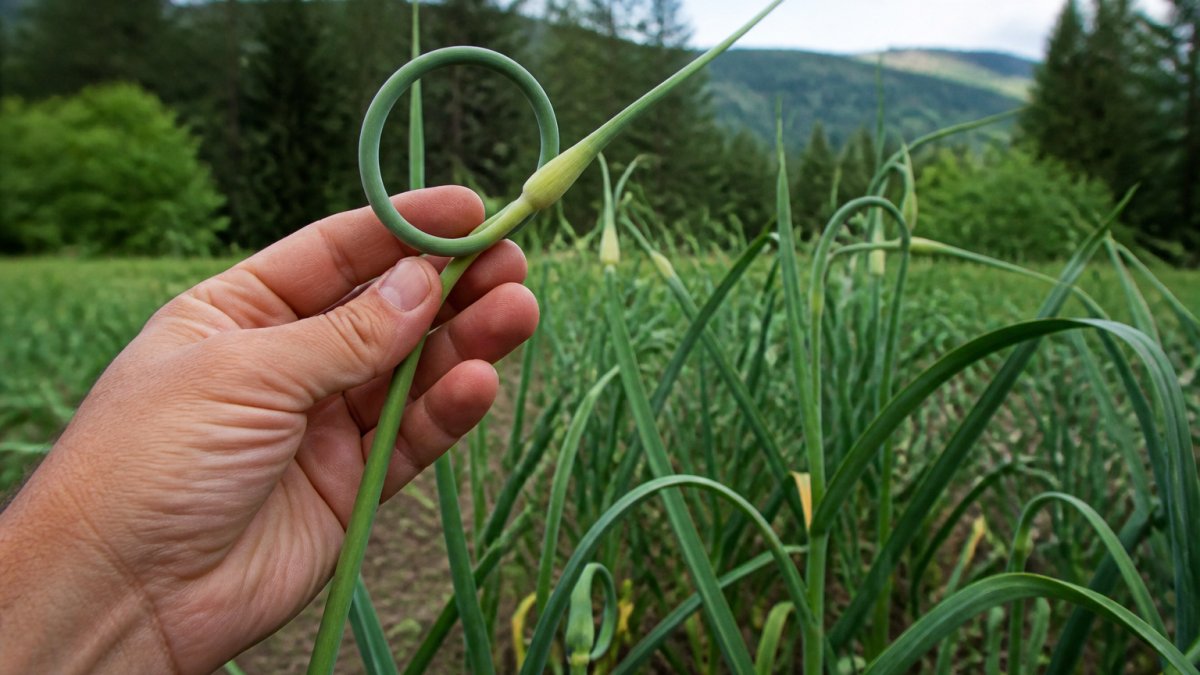
Understanding the difference between hardneck and softneck garlic is essential for appreciating heirloom varieties. Hardneck garlic produces a stiff central stem and is typically grown in cooler climates. Softneck garlic has no central stem and stores longer, making it the commercial standard. But flavor tells a different story.
Hardneck varieties, which dominate heirloom cultivation, deliver more intense, spicy heat profiles. Their flavor is assertive, complex, and often described as having peppery or even slightly sweet undertones depending on the cultivar. Softneck garlic, bred for storage and shipping, tends toward milder, more one-dimensional flavor. If you've only eaten softneck garlic from a grocery store, you've missed the true range of garlic's flavor potential.
Heirloom hardneck varieties like German Red and Chesnok Red, both preserved by Central Or Garlic Co, showcase this difference dramatically. The heat builds on your palate, the flavor lingers, and the complexity deepens as you chew. Commercial softneck garlic fades quickly, leaving little impression beyond basic garlic taste.
Pro Tip If you're sourcing heirloom garlic, prioritize hardneck varieties for cooking. They hold their flavor better through cooking processes and deliver the aromatic intensity that elevates dishes. Softneck varieties are convenient for storage but sacrifice flavor depth.
How Freshness and Storage Affect Pungency
Freshness is the silent killer of garlic flavor. The moment a bulb is harvested, its volatile oils begin to degrade. Commercial garlic sits in cold storage for months, sometimes longer, before reaching your plate. By that point, much of the pungency has evaporated or oxidized away.
Heirloom garlic sourced directly from growers or grown in your own garden reaches peak flavor within weeks of harvest. The enzymatic activity that creates garlic's signature heat is highest immediately after harvest. The reduced storage time preserves the essential oils that create both aroma and pungency.
Storage conditions matter as much as storage duration. Garlic kept in cool, dry conditions retains flavor longer than garlic exposed to temperature fluctuations or humidity. Home-grown heirloom garlic, properly cured and stored, maintains its intensity for months. But even ideal storage cannot match the flavor of garlic consumed within weeks of harvest.
Watch Out Store-bought garlic that has been in cold storage for extended periods loses not just pungency but also the subtle flavor notes that distinguish one cultivar from another. What remains is a generic "garlic taste" without character or depth.
The Role of Soil Health in Flavor Development
Soil composition directly influences the flavor compounds that develop in garlic. Nutrient-rich, well-balanced soil produces garlic with higher oil content, more pronounced pungency, and greater complexity. Commercial cultivation, focused on maximizing yield, often depletes soil or relies on chemical fertilizers that don't build the microbial ecosystem necessary for optimal flavor development.
Heirloom garlic growers, particularly those using soil-first approaches, prioritize building living soil.
Growing Organic Garlic at Home for Superior Taste
Growing your own heirloom garlic guarantees access to the freshest, most flavorful bulbs possible. You control every variable: soil composition, harvest timing, curing, and storage. This level of control is impossible when buying from stores.
Soil Composition and Cultivation Practices
Start with soil that's rich in organic matter. Garlic thrives in well-draining soil with a pH between 6.0 and 7.0. Before planting, work in aged compost or well-rotted manure to build biological activity. Avoid synthetic fertilizers; instead, use organic amendments like bone meal, fish emulsion, and kelp-based products.
Harvest Timing and Post-Harvest Handling
Harvest timing is critical for flavor. Garlic is ready when the lower leaves begin to yellow but the upper leaves remain green. This typically occurs in late spring or early summer, depending on your climate. Harvesting too early leaves immature cloves with less flavor; harvesting too late can cause bulbs to split and lose cloves.
Key Takeaway The difference between homegrown heirloom garlic and store-bought varieties becomes undeniable once you've tasted garlic you've grown yourself. Freshness, soil quality, and proper handling combine to create flavors that commercial supply chains simply cannot deliver.
Why Commercial Garlic Loses Its Edge
Commercial garlic production prioritizes yield, uniformity, and storage life over flavor. Growers select cultivars that produce large, easy-to-harvest bulbs that can survive months in cold storage without sprouting or deteriorating. This breeding focus has created garlic that's convenient but flavorless.
Sourcing Heirloom Garlic: Timing and Identification
The flavor difference becomes obvious when you compare store-bought garlic to heirloom varieties sourced strategically. But timing and sourcing method matter enormously.
Seasonality and Peak Flavor Windows
Visual Identification: Heirloom vs. Commercial
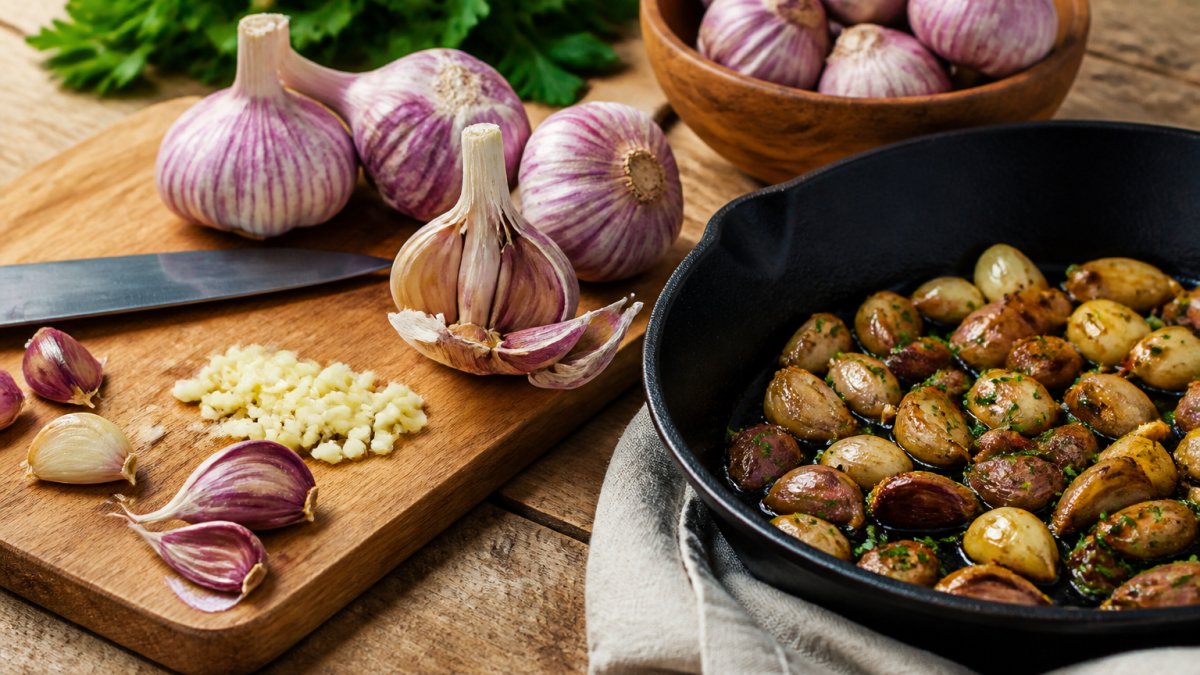
Clove count and density: Heirloom bulbs typically contain 10-20 cloves packed tightly together. Commercial softneck varieties often have 8-12 larger, more loosely arranged cloves. Gently feel the bulb, heirloom garlic feels heavier and denser for its size.
Papery layers: Heirloom garlic, especially hardneck varieties, has thicker, more textured outer papery layers with visible color variation (purples, reds, or stripes). Commercial garlic has uniform, thin, pale papery skin.
Bulb shape: Hardneck heirloom varieties (German Red, Chesnok Red, Music) have irregular, slightly flattened bulbs with visible clove segments. Softneck commercial garlic is uniformly round and smooth.
Stem presence: Hardneck varieties have a visible woody central stem protruding from the top. Softneck commercial garlic has no stem or only a soft, flexible remnant.
Size variation: Heirloom bulbs vary in size, even within the same batch. Commercial garlic is graded for uniformity, so every bulb looks identical.
Where to Source Heirloom Garlic
Key Takeaway The contrast between store-bought and heirloom garlic becomes undeniable when you source strategically. Buy during peak season (August-October), choose visually dense bulbs with thick papery layers and visible clove segments, and prioritize growers who store at room temperature. Fresh heirloom garlic, with its high oil content, complex heat profiles, and authentic pungency, transforms everyday cooking into something genuinely gourmet.
Frequently Asked Questions
What are the primary flavor differences between heirloom and commercial garlic?
Heirloom garlic varieties develop complex, layered heat profiles with spicy, sweet, and sometimes nutty notes due to higher allicin and sulfur compound concentrations. Commercial garlic, bred for yield and shelf life rather than flavor, tastes flat and one-dimensional. Heirloom cultivars maintain their aromatic intensity because they're harvested fresh and stored for shorter periods, preserving the volatile oils that give garlic its pungent character.
How does soil health impact the pungency of heirloom garlic?
Rich, well-balanced soil with proper mineral content directly influences the enzymatic activity that creates flavor compounds in garlic bulbs. Soil composition affects sulfur uptake, which drives allicin production, the compound responsible for garlic's signature pungency and heat profile. Organic, chemical-free cultivation allows beneficial microbial activity that enhances nutrient availability, resulting in denser cloves with higher oil content and more complex flavor development than garlic grown in depleted, chemically-managed soil.
Is store-bought garlic treated with chemicals that affect taste?
Yes. Commercial garlic is often treated with sprout inhibitors during storage to extend shelf life, which can affect flavor quality. These treatments, combined with long storage periods (sometimes 6-9 months), can lead to flavor degradation as volatile oils break down. Heirloom garlic grown organically without these interventions retains its full aromatic intensity and complex heat profile.
Can I grow heirloom garlic varieties myself to get better-tasting results?
Absolutely. Growing organic garlic at home gives you complete control over soil health, harvest timing, and post-harvest handling, all critical factors in flavor development. Heirloom varieties like Chesnok Red and German Red are specifically bred for culinary quality and thrive in home gardens when planted in well-amended soil. You'll harvest fresh bulbs with peak pungency and aromatic intensity, far superior to store-bought garlic that has lost flavor compounds during months of storage and chemical treatment.
Get Started Today

Comments