How to Plant Heirloom Garlic in Fall 2026
Table of Contents
When to Plant Garlic by Zone
Timing for Cold-Winter Zones (3-5)
Timing for Mild-Winter Zones (6-9)
Best Heirloom Garlic Varieties for Fall Planting
How Heirloom Care Differs from Generic Garlic Advice
Hardneck vs. Softneck: Which Suits Your Garden
Organic Garlic Soil Preparation
Testing and Adjusting pH Levels
How to Plant Heirloom Garlic Cloves Step by Step
Spacing and Planting Depth
Mulching Garlic for Winter Protection
Post-Planting Maintenance and Winter Pest Prevention
Winter Maintenance Checklist
Post-Planting Timeline: Fall Through Spring
Growing Heirloom Garlic in Containers
Conclusion
Frequently Asked Questions
Last Updated: October 1, 2026
When to Plant Garlic by Zone
Fall is the best time to plant heirloom garlic in most parts of the country. The goal is simple: get roots growing before the ground freezes, but not so early that green shoots appear before winter.
At Central Or Garlic Co, we plant our own stock from late September through November, depending on the weather. The key is soil temperature, not the calendar.
Aim to plant when soil temps drop to around 50°F during the day. This gives cloves 4-6 weeks to root before real cold sets in. According to Oregon State University Extension Service, garlic needs this root growth window to survive winter and size up properly in spring.
Plant too early and you risk lush top growth that winter kills. Plant too late and roots never establish.
Timing for Cold-Winter Zones (3-5)
In zones 3-5, plant garlic in late September through mid-October. These regions see hard freezes by November, so cloves need a head start.
Cold-winter growers should also plan on a thick mulch layer. More on that below.
Timing for Mild-Winter Zones (6-9)
Zones 6-9 can wait until late October through November. In these milder areas, garlic planted too early may sprout and then struggle through frost.
For gardeners in the Pacific Northwest, our home region, mid-October is the sweet spot. Western Oregon and Washington rarely freeze hard before December, so cloves have time to root without pushing up top growth.
Best Heirloom Garlic Varieties for Fall Planting
Heirloom garlic is not a single crop. It is hundreds of named cultivars, each adapted to a specific climate over decades or centuries. That is the first thing most planting guides skip: heirlooms carry regional genetics, so the variety you choose matters more than any technique you apply afterward.
The best heirloom garlic varieties for fall planting fall into two groups: hardneck (Allium sativum var. ophioscorodon) and softneck (Allium sativum var. sativum). Each has strengths, and the right pick depends on your winter and your kitchen.
At Central Or Garlic Co, we preserve over fifty rare, heirloom garlic cultivars. These are our favorites for fall planting:
German Red, hardneck, rich flavor, thrives in cold winters
Chesnok Red, hardneck, sweet when roasted, stores well
How Heirloom Care Differs from Generic Garlic Advice
Most guides tell you to plant garlic, mulch it, and wait. That advice works for commodity garlic. Heirlooms need three adjustments.
1. Match the cultivar to its home climate. Heirlooms were selected in specific regions, so they carry expectations about winter length and spring moisture. A hardneck bred for cold winters may bulb poorly in a mild zone even if it survives. A softneck from a Mediterranean climate may rot in a wet, cold winter. When you buy, ask the grower where the cultivar originated, not just its hardiness rating.
2. Expect lower yields but higher flavor density. Heirloom cultivars typically produce smaller bulbs than modern commercial types. Most growers find the trade-off worth it: heirlooms tend to carry higher oil content, which is what delivers the deep, lingering flavor home cooks want. Do not judge an heirloom by bulb size alone.
3. Preserve the genetics by replanting your best bulbs. Heirlooms are open-pollinated and stable, which means you can save your own seed stock year after year. Select the largest, healthiest bulbs at harvest, store them properly, and replant. Over three to five seasons, your stock adapts to your specific soil and microclimate. This is the single biggest advantage heirlooms have over hybrids, and almost no planting guide mentions it.
Hardneck vs. Softneck: Which Suits Your Garden
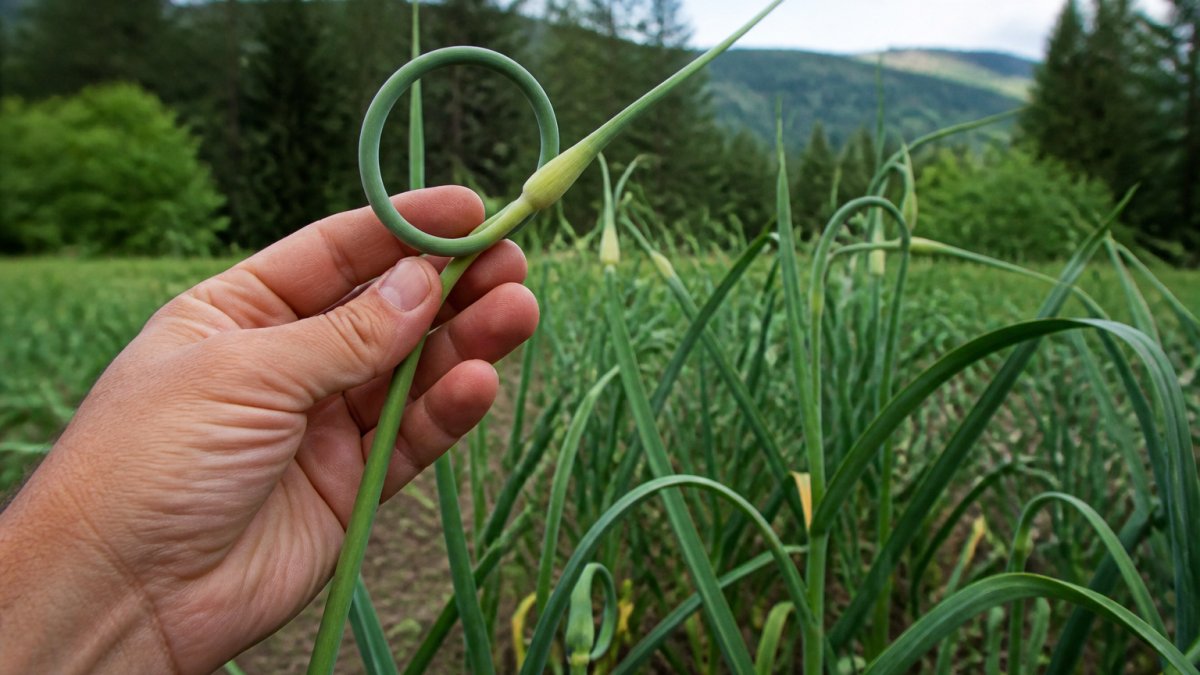
Hardneck garlic grows a central stalk called a scape. It has deeper flavor and handles cold better. Softneck garlic has no scape, stores longer, and grows well in warm winters.
Here is how they compare:
Type | Cold Hardiness | Flavor | Storage Life | Best For |
Hardneck | Excellent | Complex, pungent | 4-6 months | Cold zones, flavor lovers |
Softneck | Moderate | Mild to medium | 8-10 months | Mild zones, braiding |
A common mistake is buying softneck for a zone 4 garden. It may survive, but the bulbs stay small. Match the type to your winter, and the harvest takes care of itself.
Pro Tip If you are new to heirlooms, plant two or three cultivars side by side your first fall. You will learn more about what your soil and climate reward in one season than from any zone chart.
Organic Garlic Soil Preparation
Organic garlic soil preparation starts with drainage. Garlic rots in wet, heavy ground, so the first job is making sure water moves through.
HomeGrown Passion
Start by testing your soil. A simple home test kit costs little and tells you your pH. Garlic prefers a pH between 6.0 and 7.0.
Next, work in organic matter. Compost, aged manure, or leaf mold all improve structure and feed soil life. We use composted material only, never harsh chemicals. This soil-first approach builds stronger plants over time.
Testing and Adjusting pH Levels
If your pH is below 6.0, add garden lime. If it is above 7.0, add elemental sulfur. Both take time to work, so test a few weeks before planting.
Avoid fresh manure at planting time. It can burn roots and push too much top growth before winter.
Pro Tip Garlic is a heavy nitrogen feeder, but timing matters. Save your richest compost for spring top-dressing. In fall, focus on phosphorus and potassium for root and bulb development.
How to Plant Heirloom Garlic Cloves Step by Step
Learning how to plant heirloom garlic in fall 2026 comes down to a few careful steps. Get these right and the rest of the season is mostly waiting.
Here is the process we follow:
Break bulbs into individual cloves a day before planting
Sort cloves and discard any that are soft or damaged
Loosen soil to a depth of 6-8 inches
Work in compost and any pH amendments
Plant cloves with the pointy side up
Cover, water gently, and mulch

Spacing and Planting Depth
Plant cloves 2 inches deep and 4-6 inches apart. Rows should sit 12-18 inches apart for good airflow.
Planting depth matters more than most guides admit. Too shallow and frost heaves the cloves out. Too deep and shoots struggle to reach the surface.
Set each clove with the root side down and the pointy side up.
Watch Out Never plant cloves from the grocery store. Many are treated to prevent sprouting, and they may carry disease. Always start with seed garlic from a trusted grower.
Mulching Garlic for Winter Protection
Mulching garlic for winter protection is the single best thing you can do after planting. A good mulch layer keeps soil temps steady, holds moisture, and stops frost from pushing cloves out of the ground.
Post-Planting Maintenance and Winter Pest Prevention
Once cloves are in the ground, maintenance slows down but does not stop. Most guides end at planting. This section gives you the full timeline from fall planting through spring scaping, plus the winter problems that actually threaten heirloom stock.
Winter Maintenance Checklist
Check mulch after heavy wind or rain. Re-cover any spots where cloves are exposed.
Watch for these winter problems:
Rodents, mice nest in straw mulch; keep it loose and check for tunnels
Rot, soggy soil kills cloves; improve drainage if water pools
Frost heaving, shallow cloves push up; add mulch to insulate
Weeds, winter annuals steal nutrients; pull them early
Post-Planting Timeline: Fall Through Spring
Use this schedule to stay ahead of the crop. Dates shift with your zone, but the sequence holds.
Key Takeaway The biggest winter risk to garlic is not cold. It is water. Well-drained soil and steady mulch do more for survival than any other step. And the biggest spring mistake is skipping the scape cut, which costs you bulb size on every hardneck plant.
Growing Heirloom Garlic in Containers
Container growing lets gardeners with small spaces or poor soil grow heirloom garlic. It works well if you pick the right pot and soil.
Conclusion
Fall planting sets up everything that follows. Get the timing, soil, and mulch right, and heirloom garlic rewards you with bulbs that store for months and taste nothing like store-bought.
Frequently Asked Questions
Is it a good idea to plant garlic bulbs in the fall?
Yes. Fall planting gives heirloom garlic a head start on root development before the ground freezes. Cloves need a cold period, called vernalization, to trigger proper bulb formation in spring. Plant 4-6 weeks before your first hard freeze so roots establish but green shoots do not emerge. In most zones that means September through November. Fall-planted garlic typically produces larger bulbs than spring-planted garlic because the root system is fully developed by the time the growing season starts.
How deep should I plant heirloom garlic cloves?
Plant cloves 2-3 inches deep, measured from the top of the clove to the soil surface. Push each clove in with the pointy side up and root side down. Space them 4-6 inches apart within the row and leave 12-18 inches between rows for airflow and cultivation. Deeper planting (3 inches) protects against frost heaving in cold zones. In mild-winter areas, 2 inches is enough. Cover with soil, firm gently, and water once to settle the ground around each clove.
What is the best garlic variety to plant in autumn?
Hardneck varieties like German Red and Chesnok Red perform well in cold-winter zones because they handle freezing soil and produce scapes in early summer. Softneck types suit mild-winter areas where hardneck vernalization needs may not be fully met. For flavor, hardnecks can carry higher oil content and more complex heat. Choose varieties matched to your zone, and buy from a grower who selects seed garlic for genetic integrity rather than grocery-store bulbs, which may be treated to prevent sprouting.
How do I prepare my soil for fall garlic planting?
Start with well-drained soil. Garlic rots in waterlogged ground. Work 2-3 inches of finished compost into the top 6-8 inches, then test pH and aim for 6.0-7.0. Add a balanced organic amendment if nitrogen or phosphorus is low. Avoid fresh manure, which can burn cloves. Raised beds or mounded rows improve drainage in heavy clay. Let the bed settle for a few days before planting, and remove any weeds or debris so cloves go into clean ground.
Get Started Today

Comments